Apple is testing DRAM from Pentagon-blacklisted Chinese memory maker CXMT for devices sold in China, per the Financial Times. The custom silicon wave keeps spreading, too, as DeepSeek is developing its own AI chip and Zhipu AI is weighing one of its own.
Separately, Amazon launched a $25 billion bond offering, one of the largest corporate debt sales in US history, to fund its AI buildout. Wolfspeed sued Navitas over SiC patents, and Samsung delayed CXL 3.1 memory production while it waits on CXL-ready CPUs from Intel and AMD.
Let’s get into it. — Austin & Vik
Quick hits, high signal. Takes from semi industry experts. Sign up for free daily updates!
Be sure to check out the Semi Doped podcast on YouTube or your favorite podcast player!
Apple Tests Chinese CXMT DRAM for China-Market Devices
Apple is testing DRAM chips from Chinese manufacturer CXMT for use in devices sold in China, according to the Financial Times. CXMT, which is on the Pentagon’s blacklist of companies with alleged ties to China’s military, produces chips that would be confined to the China market under this arrangement, avoiding direct conflict with US export controls. The testing covers potential supply for iPhones and other devices sold domestically in China.
Separately, Lexar announced its new DDR5-7600 desktop memory modules will use CXMT-sourced chips, marking another sign of the Chinese chipmaker gaining traction with consumer electronics brands outside the dominant Samsung, SK Hynix, and Micron triad. (CNBC, Financial Times)
Vik: “While CXMT’s capacity is expanding, it is unlikely to immediately flood the market with cheap chips, as its output is largely pre-committed, Ray Wang, a memory analyst at SemiAnalysis, told the FT.” — CXMT is #4 in the memory market after the big 3. Memory is like a broken Jevon’s paradox: The more expensive it gets, the more people will buy. 🤦🏽♂️
Austin: Ray got quoted in the Financial Times, nice job dude! Vik we should schedule Ray to come talk shop on our pod.
FuriosaAI Partners With Equinix to Deploy AI Inference in Europe
South Korean AI chip startup FuriosaAI has signed a partnership with Equinix to deploy its inference accelerators across Equinix’s European data centers. The deal gives FuriosaAI access to Equinix’s colocation footprint spanning multiple European markets, targeting customers seeking alternatives to Nvidia-based inference infrastructure. (The Register, Jon Peddie Research, Seoul Economic Daily)
Vik: I am guessing that a lot of inference accelerators with a TCO focus will find homes in sovereign AI deployments around the world, especially in cost sensitive places or those without too much energy surplus.
Austin: Europe allows the deployment of AI accelerators? 🙃
Amazon Raises $25B in Bonds for AI Infrastructure
Amazon launched a $25 billion bond offering, one of the largest corporate debt sales in U.S. history, to fund its AI infrastructure buildout. The multi-tranche deal spans maturities ranging from 3 to 40 years and follows the company’s previously announced plan to spend roughly $100 billion in capital expenditures in 2025, the bulk of which is directed at data centers and AI compute capacity. (SiliconANGLE, CNBC)
Vik: How do you feel about lending your money to Amazon to build AI infra? But lending to Amazon is not a bet on the AI spend. Bondholders get paid from all of Amazon (AWS, retail, ads), and the coupon is fixed, so if the bet turns into a gold mine you still get the same payment.
Austin: I would feel just fine. Amazon can monetize GPUs, whether via AWS or via e-commerce (ads or improving results etc).
Wolfspeed Sues Navitas for SiC Patent Infringement
Wolfspeed has filed a patent infringement lawsuit against Navitas Semiconductor, alleging that Navitas’s silicon carbide (SiC) products violate Wolfspeed’s intellectual property. The suit targets Navitas’s SiC technology, which Wolfspeed claims infringes on its patented processes and designs. Wolfspeed, one of the largest SiC manufacturers, is seeking damages and an injunction to halt sales of the accused products. (Wolfspeed)
Vik: The lawsuit encompasses both GaN and SiC products from Navitas — from the patent listing on the Wolfspeed announcement, it looks like they are going after the entire Navitas portfolio! Not a good look.
Samsung Begins Mass Production of NVMe Drives for Nvidia Vera Rubin
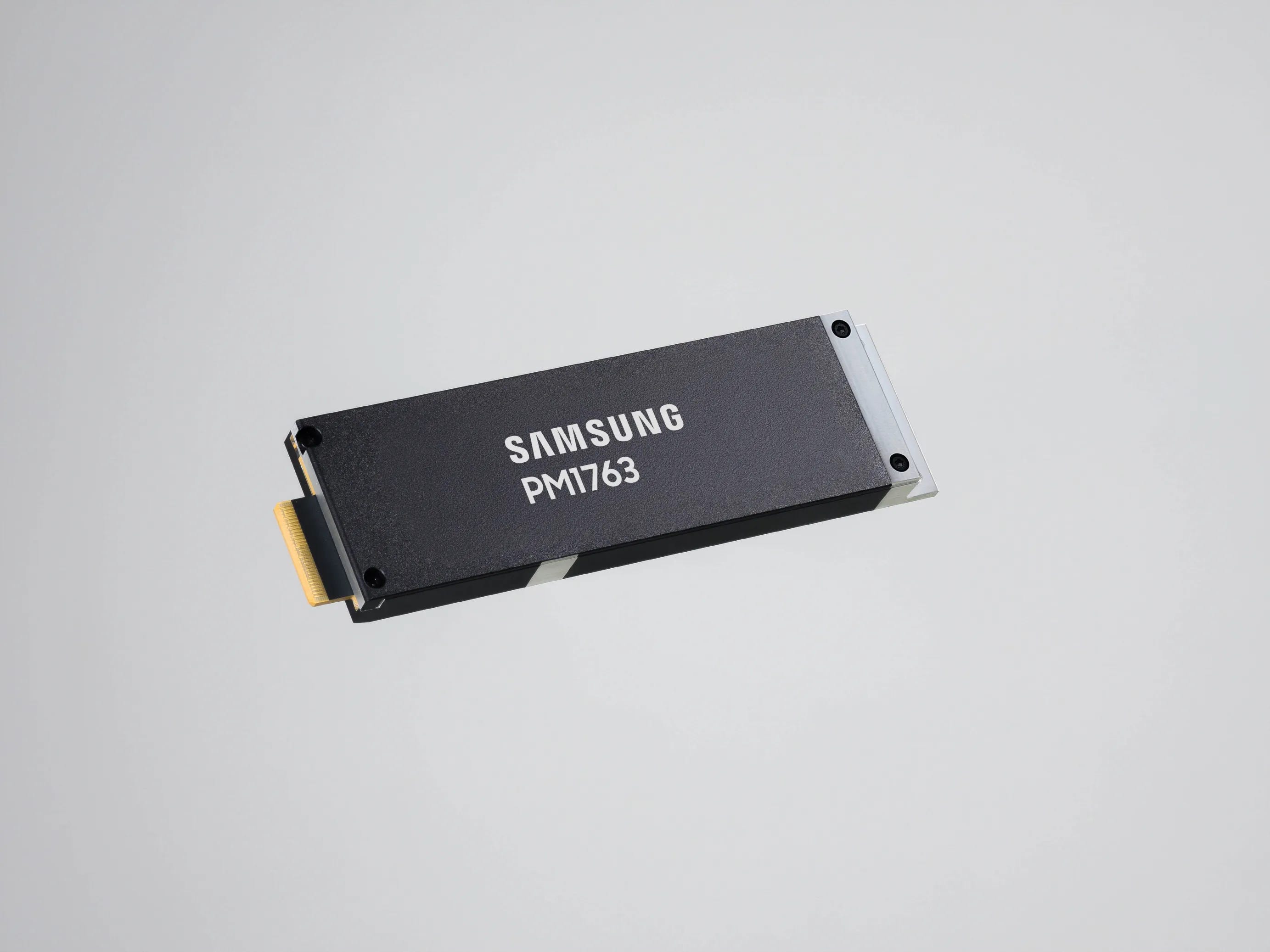
Samsung has begun mass production of NVMe storage drives designed for Nvidia’s Vera Rubin AI platform. The drives are built to meet Nvidia’s specifications for the Vera Rubin system, which is slated to succeed the current Blackwell architecture. (Bloomberg.com)
Vik: Cute looking drive
Austin: Samsung selling storage and memory into Vera Rubin. If only Samsung Foundry could participate in logic for Vera Rubin too, they’d be even richer.
Zhipu AI weighs custom chip due to demand, export controls
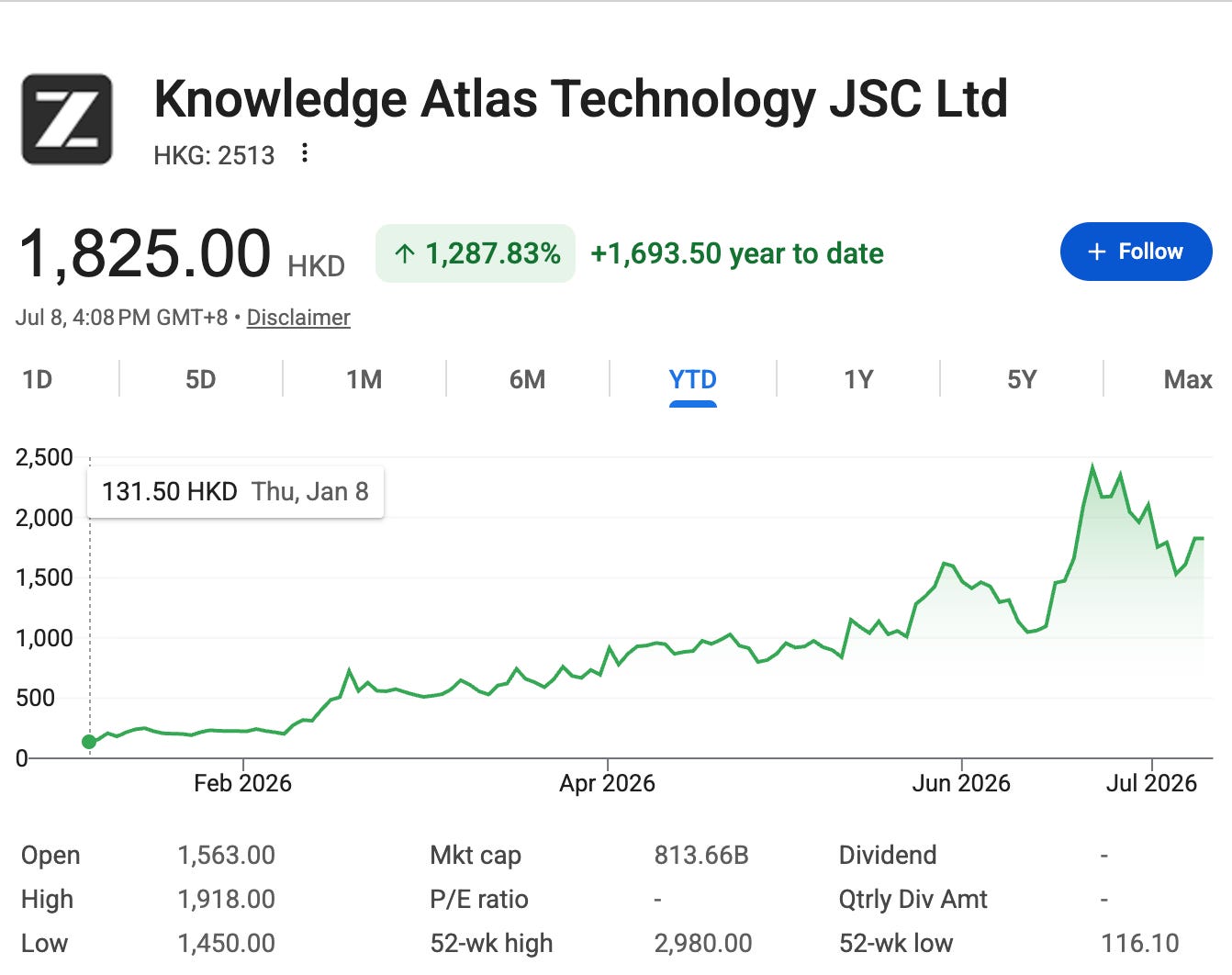
Zhipu AI, the Chinese AI lab behind the GLM series of open-source AI models, is considering designing its own AI chip. This move is driven by surging demand for its models and U.S. export controls, which are creating computing resource constraints. The company has made preliminary inquiries with Chinese chip design houses about developing a bespoke AI processor optimized for its models. (theinformation.com)
Vik: See the trend developing here? Each model maker is teaming up with a chip design house to make their own chips. OpenAI’s Jalapeno, Anthropic chip in the works, and now zAI? The hardware and model layer is coalescing. Pay attention.
Austin: The company formerly known as Zhipu AI, but now called z.ai but formally known as Knowledge Atlas Technology JSC Ltd?
DeepSeek Develops Custom AI Chip to Cut Nvidia Dependence
Chinese AI startup DeepSeek is developing its own AI chip, according to Reuters, in a move to reduce reliance on Nvidia hardware. The effort is separate from DeepSeek’s reported near-term use of Huawei’s Ascend chips as an interim solution while US export controls limit access to Nvidia’s H100 and H800 GPUs. DeepSeek, backed by Chinese quant fund High-Flyer, gained international attention earlier this year with its R1 model. No timeline or production partners for the in-house chip have been disclosed. (Reuters, Bloomberg.com)
Vik: What! Not DeepSeek too! Who will buy Nvidia chips now? jk, Nvidia does not sell in China after export controls. Everything is priced in because it is well known. Nothing to see here.
Austin: This is bearish Huawei, not Nvidia.
Samsung Delays CXL 3.1 Memory Production Due to CPU Delays
Samsung Electronics has postponed mass production of its CXL 3.1-based memory module (CMM-D 3.0) due to delays in the release of CXL 3.1-supporting CPUs from Intel and AMD. The company will continue producing CXL 2.0-based memory modules (CMM-D 2.0) for now. While Samsung initially aimed for CMM-D 3.0 customer sample production in June, full-scale mass production is now anticipated for next year. (thelec.kr)
Vik: Important dependency to note here: No point in making CXL 3.1 memory if there is no CPU to pair it with. Watch for Intel Diamond Rapids and AMD Venice launches.
Synopsys Exits Fab Manufacturing Software to Concentrate on AI Design
Synopsys is discontinuing its chip fab manufacturing control software products to redirect focus toward AI-driven chip design tools, according to people familiar with the matter. The EDA company is cutting select software lines used in semiconductor fab operations management as part of the strategic reallocation. (Reuters, grafa.com)
Vik: Wait what are these products anyway? From the article — “The affected products include the Equipment Engineering System (EES) and Fault Detection and Classification (FDC), a set of automation software that acts as the central nervous system of semiconductor fabrication plants to monitor and detect any anomalies before they cascade into costly defects” … dunno why, sounds important. Somebody comment and tell us what this means.
Analog Devices Closes Empower Semiconductor Acquisition
Analog Devices (ADI) has completed its acquisition of Empower Semiconductor, a power management chip company. The deal extends ADI’s power portfolio from grid to core, strengthening its position in AI infrastructure power delivery. (Analog Devices)
Vik: Empower has a whole slew of integrated voltage regulator products which fit next to the chip ensuring vertical power delivery. Now this IP belongs to Analog Devices. Could be a strong power player in the future — note to self: watch closely.
Austin: Vertical power is a big deal. I wrote about it here:
NAND Flash NAND prices surge to rival DRAM pricing as AI-driven memory demand tightens supply. (The Chosun Daily)
Memory Wall Analysis argues cache miss tolerance, not raw compute throughput, now defines CPU performance amid the memory wall. (EDN)
China smartphone sales fell 13% during the 618 shopping festival, with elevated memory component costs limiting device discounts and dampening consumer demand. (Reuters)
Syntiant, an Intel-backed edge AI inference chip and software maker, has filed for a US IPO according to Bloomberg. (Bloomberg.com)
Penguin Solutions releases Q3 fiscal 2026 financial results, covering revenue and profitability across its memory, networking, and AI server solutions portfolio. (Penguin Solutions) — Record net sales of $479 million, up 48% versus the year-ago quarter
Thanks for reading! This post is public so feel free to share it.