
Quiz #2

In 1911, a Hungarian-born chemist arrived at the University of Manchester to work under Ernest Rutherford. While boarding nearby, he grew suspicious that his landlady was serving uneaten food from previous meals. He placed a radioactive isotope in a portion of his dinner before leaving the table. Detection of the tracer in the next day’s dish confirmed the recycling — and seeded an idea that would transform biochemistry, pharmacology, and environmental science.
Nearly three decades later, the same chemist — now at a Danish institute — faced an occupying force known for confiscating symbols of intellectual dissent. He concealed the Nobel Prize gold medals of two German physicists by dissolving them in a three-to-one mixture of hydrochloric and nitric acids. The orange solution sat openly on a laboratory shelf throughout the occupation. After liberation, he precipitated the gold, forwarded it to Stockholm, and both medals were recast.
The chemist co-discovered a metallic element at the same Danish institute, alongside a Dutch physicist, in 1923. Its oxide — with a dielectric constant roughly six times that of the silicon dioxide it replaced — enabled continued transistor scaling below the gate oxide tunneling limit, first appearing in production silicon at the 45nm node in 2007.
The element’s name is the direct Latinization of the city where it was discovered — a city whose name, in the language of its inhabitants, translates as “merchants’ harbor.”
Name the chemist and the element. Bonus points if you can name the Nobel laureates who the chemist helped.
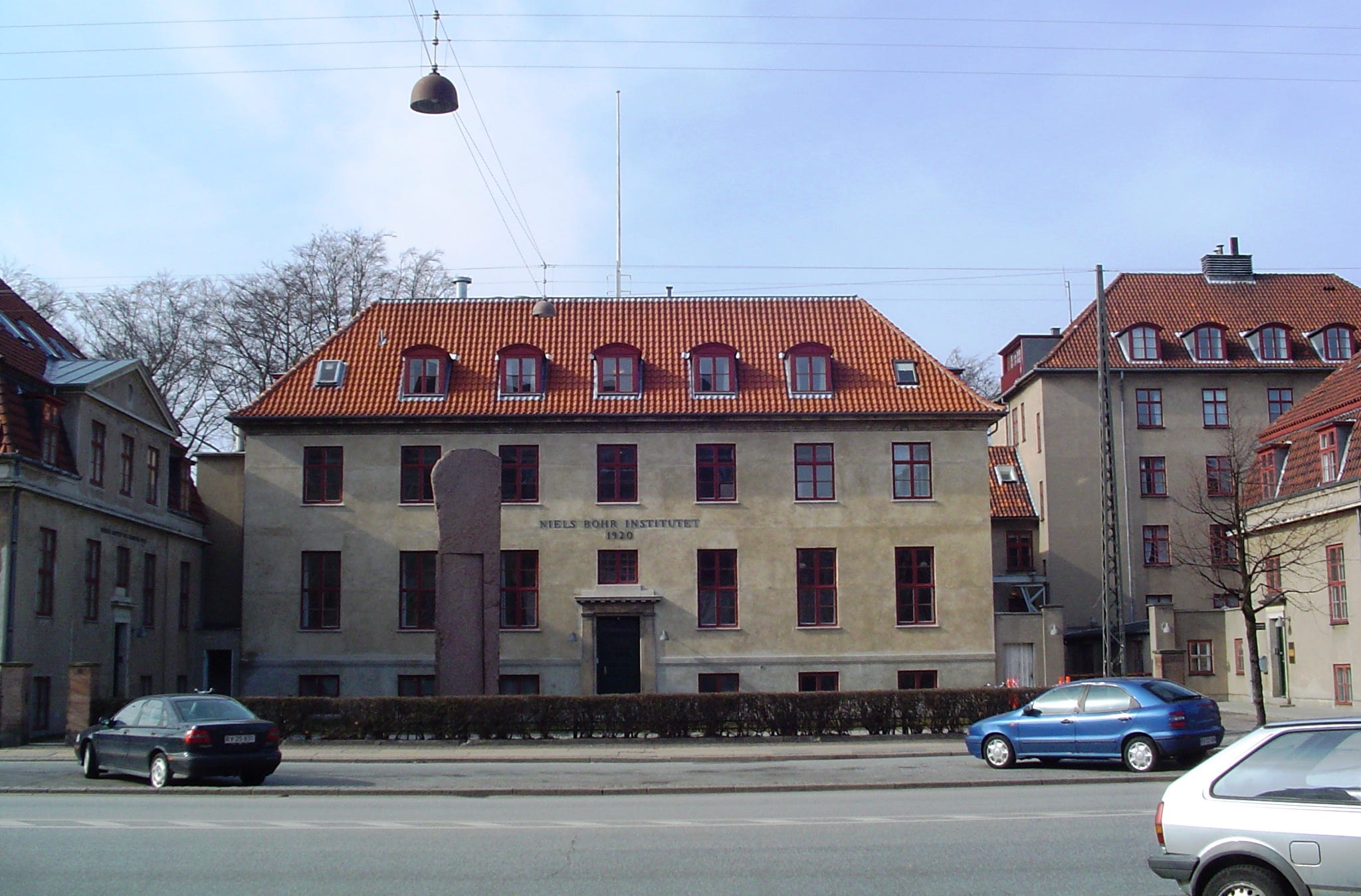
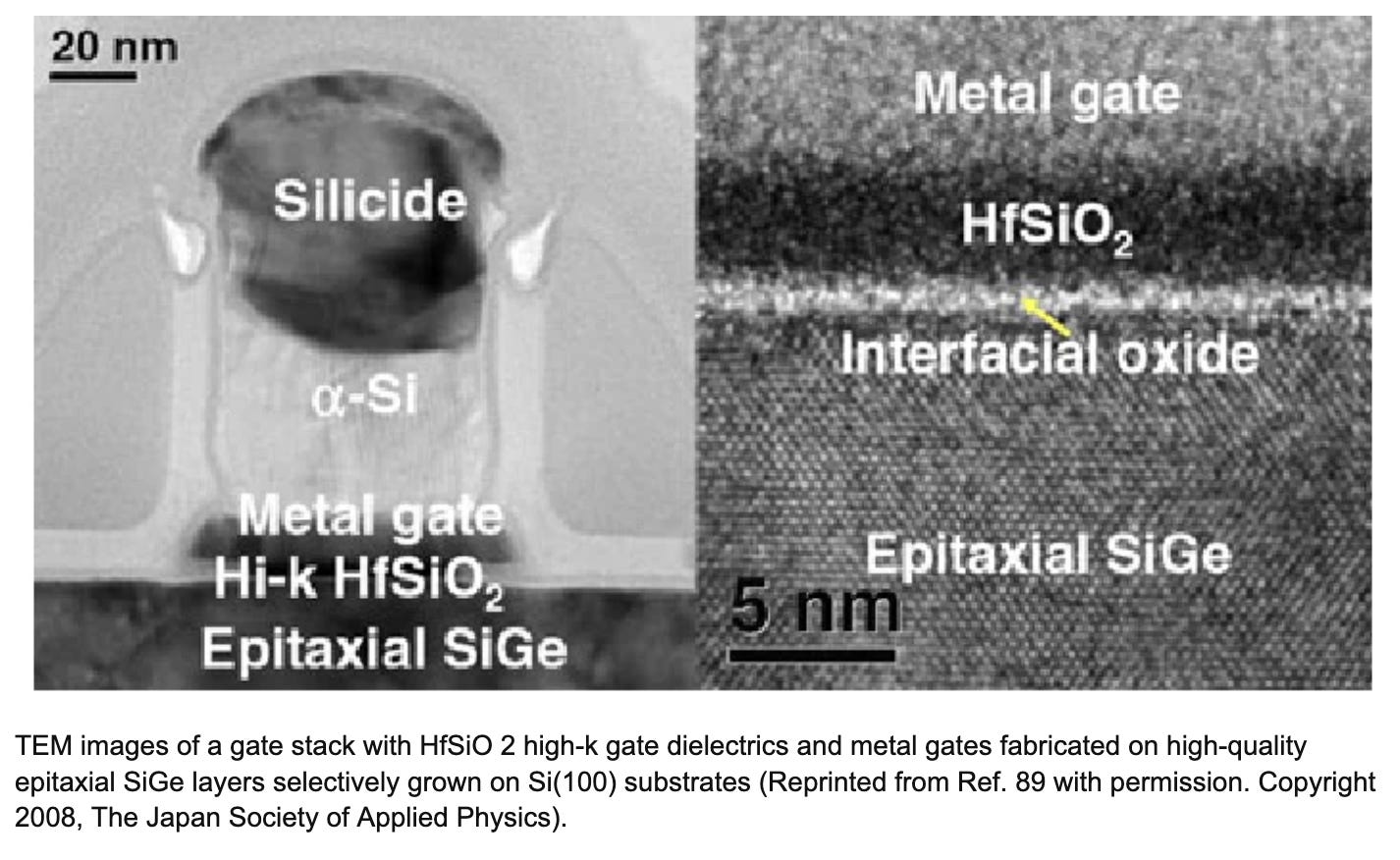
“Merchants' harbor" = Kobenhavn = Copenhagen. Hafnia is the Latin for Copenhagen.
SPOILER ALERT: ANSWER BELOW
Answer: The chemist is Georg von Hevesy and the element is Hafnium (Hf). The Nobel laureates are Max von Laue and James Franck.