Quiz #5

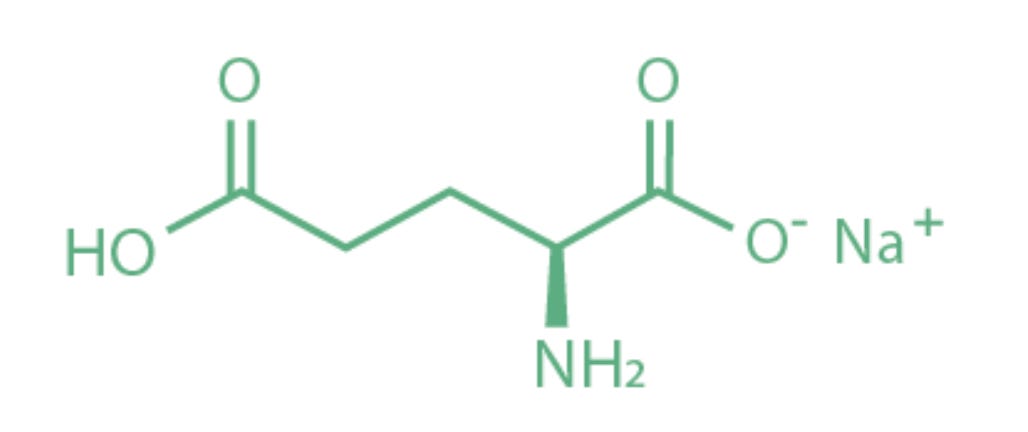
In 1908, Kikunae Ikeda was puzzling over why seaweed stock tastes so deeply savory, isolated the compound responsible and insisted it amounted to a basic taste beyond the textbook four. He patented a way to crystallize its sodium salt into a fine white powder, and coined the term umami to describe it. A partner then brought it to market the following year, and it has been seasoning meals (and feeding a stubborn, scientifically shaky scare) ever since.
That partnership grew into a firm that kept mining the same chemistry from new angles. It became one of the world’s largest makers of a tabletop sweetener stitched from two of those amino-acid building blocks and roughly 200 times sweeter than sugar, sold under a name carefully engineered to sound gentle and natural.
Then, from a resin left over in its fermentation tanks, it developed a thin, low-loss insulating film that gets laminated in alternating sheets with copper foil, drilled with microscopic holes, and stacked into the rigid organic boards that fan a single die’s thousands of contacts out to the circuit beneath it. This one material now underpins almost the entire high end of that industry. And when supply ran short in 2021, lead times stretched past a year and the squeeze reached as far as car assembly lines.
Question: Name the brand
CLUES
In 1908 chemist Kikunae Ikeda isolated glutamate from konbu and named the taste umami; the partner who commercialized it as MSG was Saburosuke Suzuki.
The sweetener is aspartame, which was rebranded as “AminoSweet” in 2009.
The film is Ajinomoto Build-up Film (ABF), the dielectric in the flip-chip substrates beneath nearly every advanced processor. Same company, all three.