
TIL: The PC Revolution Began With a Mockup on a Magazine Cover
Dr. Ed Roberts and the career that was never meant to be

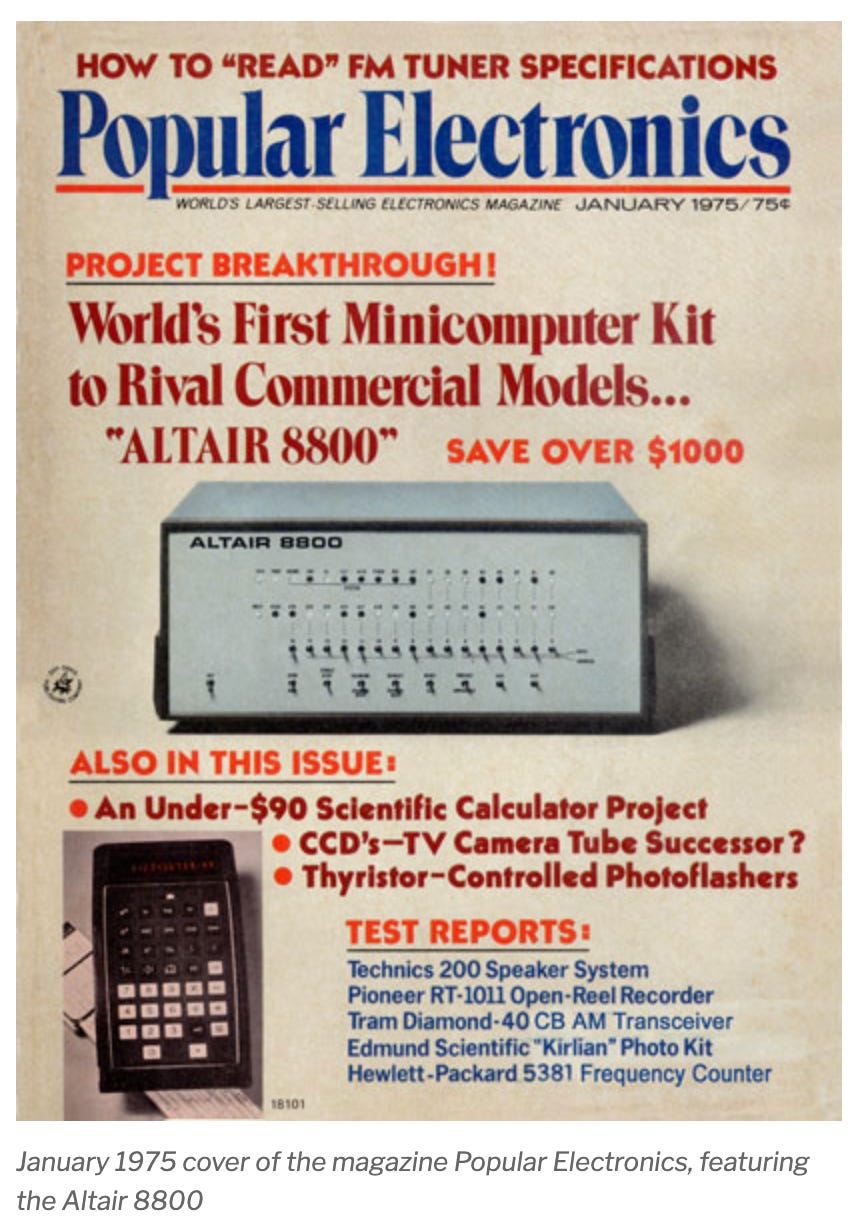
The computer that launched the personal computer industry, the one on the famous January 1975 cover of Popular Electronics that every tech historian points to as the spark, was an empty box. No processor. No memory. Just a metal shell with switches and blinking lights, faked at the last minute because the real machine had vanished somewhere inside a shipping strike. The revolution began with a prop.
The man who built that box never wanted to be a computer guy at all. He wanted to be a doctor.
Ed Roberts grew up in Miami, the son of an appliance repairman, taking apart anything with wires in it. He started college dreaming of medicine, but money was tight, so in 1962 he enlisted in the Air Force, which had a useful habit of turning curious tinkerers into employable ones. They trained him to fix cryptographic gear at Lackland, then liked his work enough to make him teach it. To pad his enlisted-man’s pay, he moonlighted building the electronics that made the mechanical Christmas figures move in a San Antonio department store window. The Air Force eventually paid for his electrical engineering degree and sent him to Albuquerque to design fire-control systems for laser weapons. Around age 27, he finally looked into medical school and was told, flatly, that he was already too old.
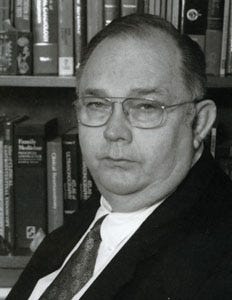
So he stayed in electronics. In 1969 he and a few Air Force colleagues started a tiny Albuquerque company called MITS, selling telemetry kits for model rockets before pivoting into the booming calculator business. For a few years it went beautifully. Then Texas Instruments, which made the chips everyone else depended on, decided to sell finished calculators itself, at prices the little kit-makers simply could not match. MITS was selling calculator kits for around a hundred dollars; TI undercut them with assembled units for less than half. The market evaporated. Roberts went to bed each night staring at roughly a quarter of a million dollars in debt - during the calculator wars.
His escape plan was a bluff. He told his bank he could sell 800 of a strange new product, a build-it-yourself computer for hobbyists. Privately, he and his team had calculated they only needed to move 200 to break even. He had quietly asked engineers he knew whether they would ever buy such a thing. Every one of them had said no.
Over the summer of 1974, Roberts and his head engineer Bill Yates built the Altair 8800 around Intel’s new 8080 chip. In October they shipped the only working prototype to New York for the magazine photo shoot. It never made it; the Railway Express Agency was on strike and sliding into bankruptcy. With the deadline closing in, someone slapped switches and LEDs onto a hollow chassis, and that fake is what ended up on the cover.
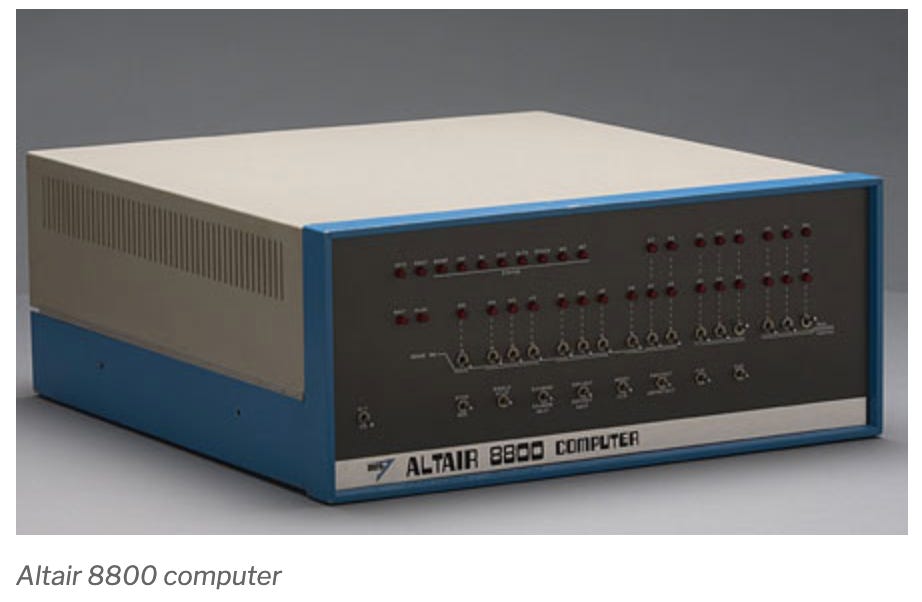
The orders came anyway. People mailed checks for a machine that barely existed; a few drove to Albuquerque clutching cash. Two young programmers, a Harvard student named Bill Gates and his older friend Paul Allen, wrote to Roberts claiming they already had software ready for it. They did not. They wrote it afterward, and it became the first product of a company called Microsoft.
And Roberts? He sold MITS in 1977, bought a farm in Georgia, and at 41 enrolled in medical school after all. He spent his last decades as a small-town doctor in Cochran, treating families who had no idea the man checking their blood pressure had once quietly switched on the digital age, then walked away from it to do the thing he had wanted all along.